Amazon.de Shop
|
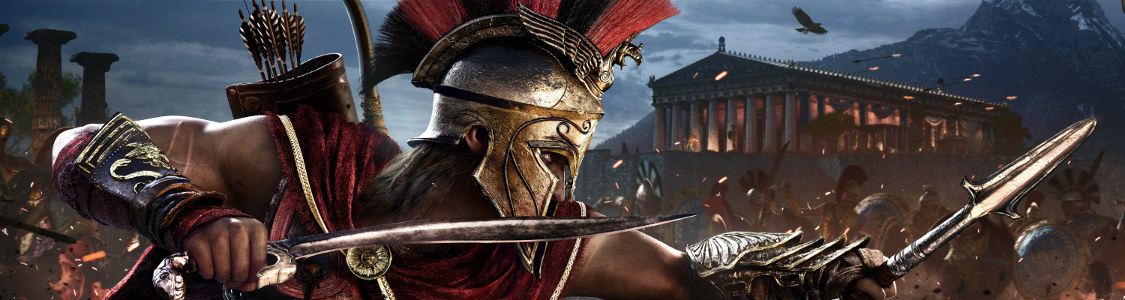
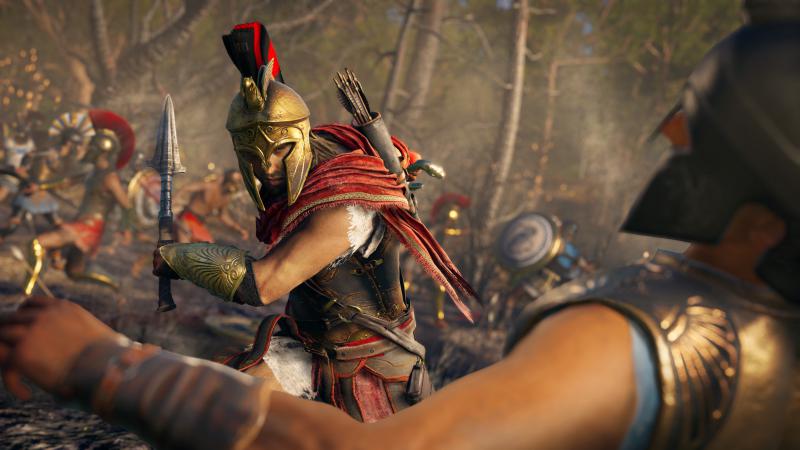
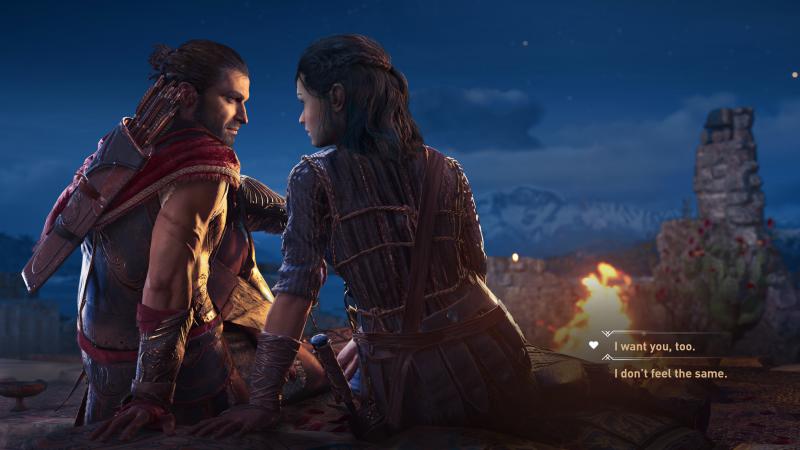
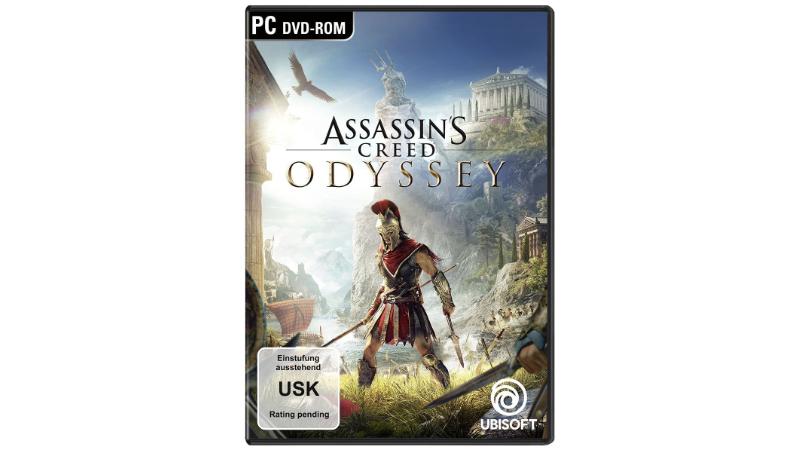
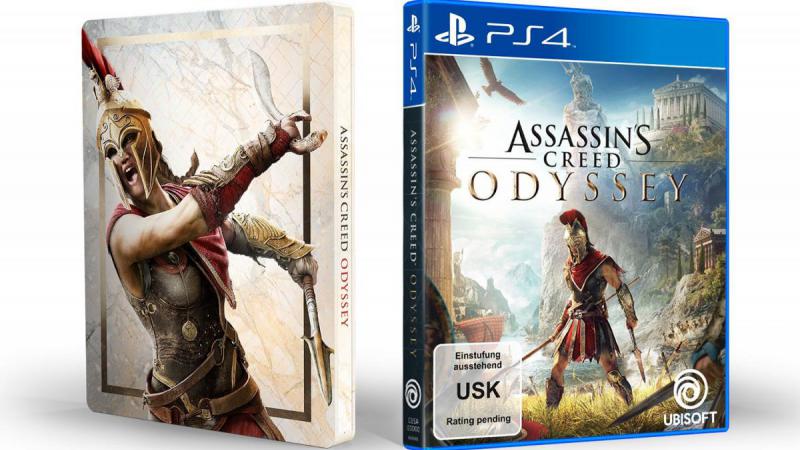
Assassin's Creed Odyssey 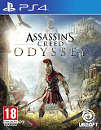 Jetzt kaufen bei PEGI Editionen Steelbook Figuren |
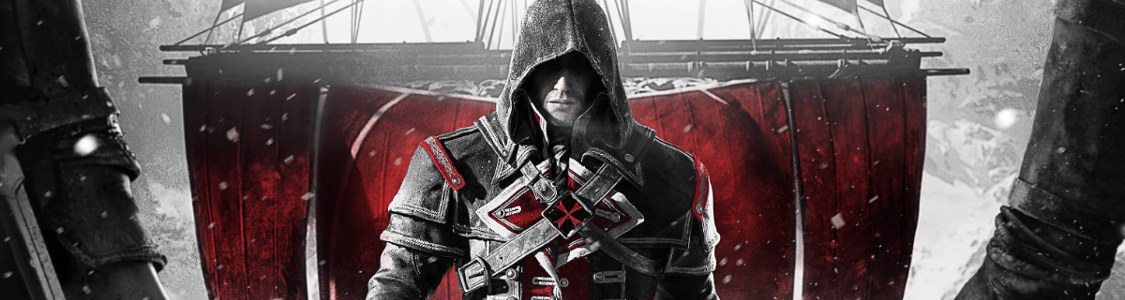
Assassin's Creed Rogue Remastered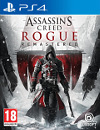 Jetzt kaufen bei |
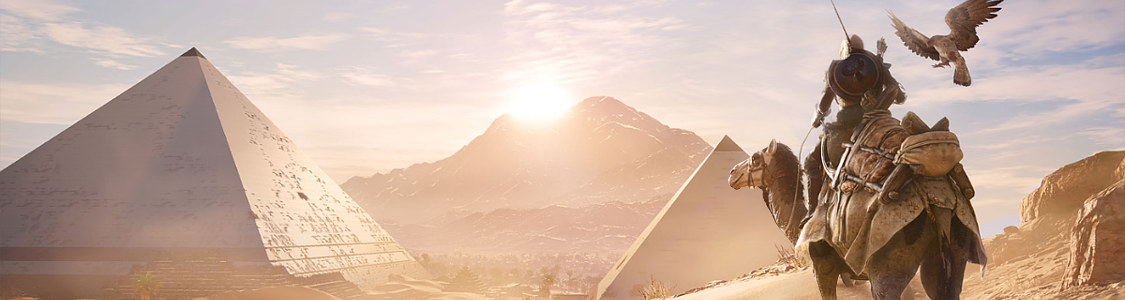
Assassin's Creed Origins 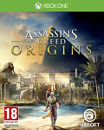 Jetzt kaufen bei PEGI Editionen Xbox One S-Bundles |
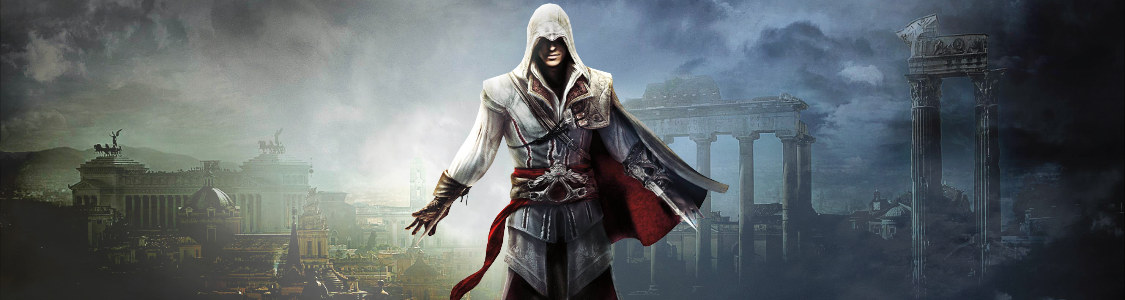
Assassin's Creed The Ezio Collection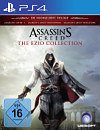 Jetzt kaufen bei |
Assassin's Creed Syndicate 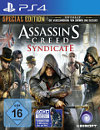 Jetzt kaufen bei |
Assassin's Creed: Der Film 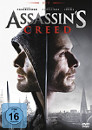 Jetzt kaufen bei |
Weitere Assassin's Creed-Artikel gibt's direkt bei
Mit jeder Bestellung über diese Links unterstützt Du diese Seite & das GGP-Netzwerk, danke!
Forendiskussion
Aktuelle Umfrage
Letzte Kommentare
Aktuelles Video
Assassin's Creed Origins:
.
Infos über uns
ASSASSINSCREED.DE wurde im Mai 2006 gegründet & ist eine seit Jahren unabhängige Fanseite zum Thema ASSASSIN'S CREED. Unsere Seite bietet aktuelle News, viele Informationen, Hilfe & Tipps zu den Games, Bilder, Videos sowie zahlreiche Downloads & mehr. Besucht doch auch unser freundliches & niveauvolles Forum für Hilfe, Fragen & Diskussionen zu ASSASSIN'S CREED & vielen anderen Videospielen. ASSASSIN'S CREED ist für uns nicht nur ein Videospiel, es ist unsere Passion, in die wir viel Zeit & Herzblut investieren.
Euer geschätztes Team von ASSASSINSCREED.DE
Partnerseiten




Assassin's Creed is a trademark or registered trademark of Ubisoft Entertainment.